
Use Case: Product Management Teams
Monitoring Product Managers: Are They Spending Time on Strategy or Constant Firefighting?
Product managers have some of the most fragmented workdays of any knowledge worker role — constantly pulled between Jira, Slack, customer calls, and roadmapping tools. eMonitor's time allocation data shows exactly where PM time goes, separating strategic work from reactive coordination that produces no lasting output.
7-day free trial. No credit card required.
What Is Product Manager Time Allocation Monitoring?
Product manager time allocation monitoring is a specific application of employee activity monitoring that measures how PMs distribute their work hours across strategic activities, coordination work, and reactive operational tasks. Unlike monitoring for roles with clearly defined outputs (lines of code, support tickets closed, units processed), product management output is diffuse and delayed — a PRD written today becomes a product shipped in six months. Time allocation monitoring provides the leading indicator data that output-based tracking cannot: are PMs doing the work that leads to strong products, or are they buried in work that feels busy but produces nothing durable?
The central question eMonitor answers for product management leaders is the strategy-versus-firefighting split: what percentage of PM time goes to high-leverage strategic work (roadmapping, customer research, product specification, competitive analysis) versus low-leverage reactive work (Slack message responses, Jira ticket triage, meeting facilitation, stakeholder coordination). Most product leaders believe this split is healthier than the data shows it to be.
Why Product Managers Have the Most Fragmented Workdays in the Organization
Research from Harvard Business Review found that senior managers spend an average of only 28 percent of their working time on work that requires deep, uninterrupted concentration. For product managers, this figure is typically lower. PMs sit at the intersection of engineering, design, sales, customer success, and executive leadership — every one of these stakeholders has legitimate reasons to pull a PM's attention during the workday. The result is a role where constant interruption is structurally embedded rather than incidental.
A study by RescueTime analyzing knowledge worker behavior found that the average knowledge worker checks communication platforms (email, Slack, Teams) every six minutes and spends 2.5 hours per day in these tools. Product managers, who are communication hubs by role definition, consistently exceed these averages. Without measurement, the extent of this fragmentation is invisible to everyone, including the PMs themselves.
What Does a Product Manager's Tool Universe Look Like?
Understanding which tools appear in a PM's activity data — and in what proportion — requires familiarity with the full tool universe for the role. Product managers use a broader range of application categories than almost any other knowledge worker role, which is part of why time allocation analysis is both more complex and more valuable for this population than for more specialized roles.
Strategy and Planning Tools
Time in roadmapping platforms (Aha, Productboard, Linear, Jira Product Discovery) and long-form documentation tools (Notion, Confluence) represents strategic work: defining product direction, writing specifications, and building shared understanding across the organization. This is the category of PM work most likely to be crowded out by operational demands. Healthy PMs with protected focus time show meaningful daily blocks in these tools. PMs operating in reactive mode often show intermittent two- to five-minute sessions in documentation tools — enough to open a document but not enough to write anything substantive.
Coordination and Communication Tools
Slack, Microsoft Teams, email clients, and video conferencing platforms (Zoom, Google Meet) represent coordination work. Some coordination is inherent to the PM role — but the question is what proportion. A PM spending 45 percent of their day in Slack is likely managing relationships and answering questions rather than building product knowledge or strategy. eMonitor's time allocation reports show this percentage directly, making the conversation about focus protection concrete rather than anecdotal.
Execution Tracking Tools
Jira, Linear, Asana, and similar project management platforms represent execution oversight: sprint planning, backlog refinement, ticket triage, and delivery tracking. These are legitimate PM activities but are frequently over-weighted in practice. When a PM spends three hours per day in Jira, the question worth asking is whether their role has drifted into project management rather than product management — a common and consequential distinction.
Customer and Market Understanding Tools
Time in customer interview recording platforms (Dovetail, Grain, Otter.ai), analytics dashboards (Mixpanel, Amplitude, Google Analytics), and competitive intelligence tools represents direct product learning. This is arguably the highest-leverage category of PM work — the work that produces insights about what to build and why. It is also frequently the first category crowded out when operational demands increase. When PMs show minimal time in this category over multiple weeks, product strategy is being made with diminishing market input.
How Do You Measure the Strategy-Versus-Firefighting Split?
The strategy-versus-firefighting split in product management is measurable when tool usage is classified into these two work modes. eMonitor's productivity classification engine allows organizations to define which tools represent strategic work (roadmapping, documentation, customer research, competitive analysis) and which represent reactive coordination (ticketing systems, messaging platforms, ad hoc meeting tools). The resulting time allocation report shows the ratio directly.
A healthy product manager time distribution — one that product leaders at high-performing organizations typically describe as a target — allocates roughly 40 to 50 percent of time to strategic activities, 20 to 30 percent to customer-facing and market research activities, and 20 to 30 percent to coordination and execution oversight. PMs operating primarily in reactive mode often show the inverse: 50 to 60 percent in communication and execution tools, with strategic work compressed into the margins of the day.
The Compounding Cost of Reactive PM Work
When product managers spend the majority of their time in reactive coordination rather than strategic work, the cost compounds across the organization. Engineering teams receive less thought-through specifications, leading to re-work mid-sprint. Customer needs are understood through second-hand signals rather than direct research, leading to product decisions made on assumption rather than evidence. Roadmaps drift toward stakeholder requests rather than user problems. None of these downstream effects are visible in daily operations — they appear six to twelve months later as missed product targets and frustrated engineering teams.
Activity monitoring data surfaces the upstream cause: PMs whose time allocation is dominated by reactive work are structurally unable to produce the quality of strategic thinking that good product leadership requires. This makes the data valuable not as a performance measure but as an organizational health indicator.
Session Length as a Quality Signal
Beyond the percentage of time in each tool category, session length in strategy tools is a meaningful quality signal. A PM who opens Notion for 8 minutes, switches to Slack, returns to Notion for 6 minutes, and then joins a Zoom call has technically logged 14 minutes of documentation tool time. But no substantive strategic thinking happens in 6-minute sessions interrupted by Slack notifications. Session length distribution — not just total time — reveals whether PMs are doing strategic work or performing the appearance of it.
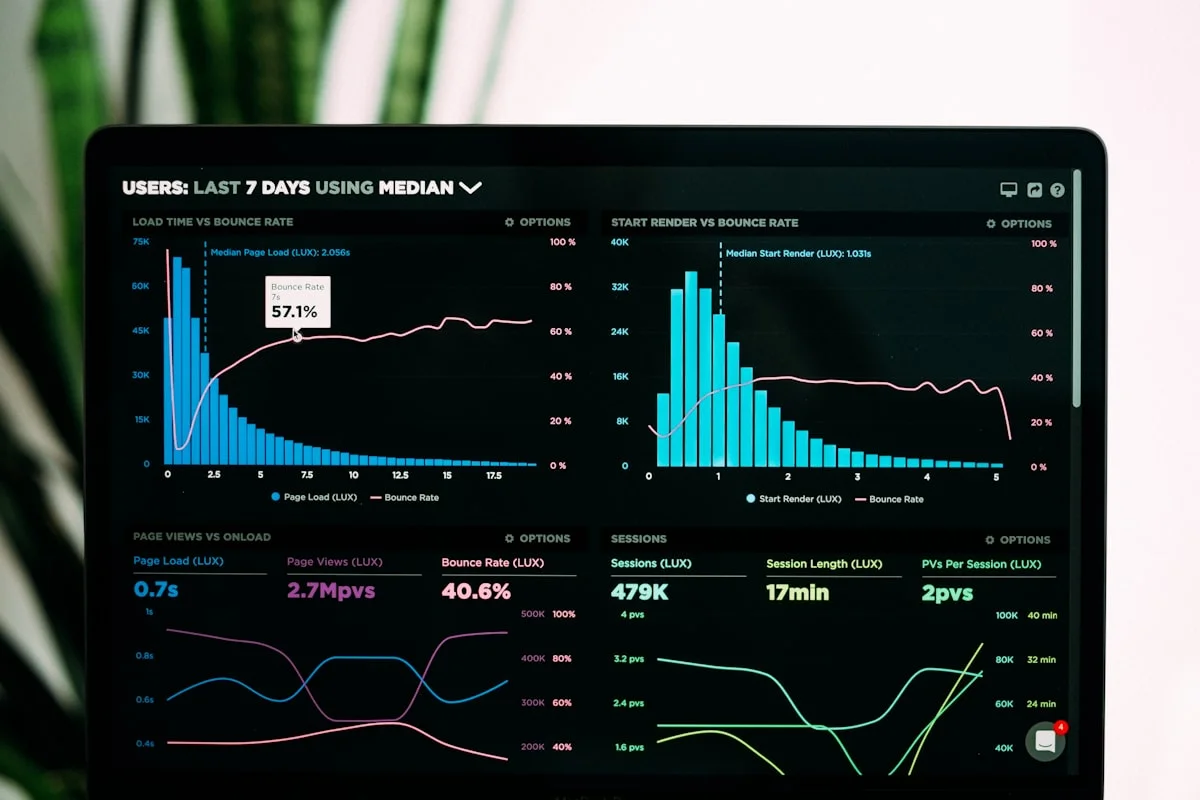
eMonitor's timeline view shows color-coded hour-by-hour session data. When a PM's timeline shows dozens of short application bursts throughout the day with no extended sessions in any tool, the fragmentation problem is visible immediately. When a PM shows two- to three-hour blocks in documentation or research tools several days per week, the focus capacity is present.
Are Product Managers Spending Enough Time in Customer-Facing Activities?
Customer proximity is one of the strongest predictors of product management effectiveness. Product managers who spend regular time in direct customer conversations, user research sessions, and customer data analysis build qualitatively better product intuition than those who rely on second-hand reporting from customer success teams. Yet customer-facing activities are among the first to be cut when PM calendars fill with internal meetings and operational coordination.
eMonitor's application monitoring tracks time in customer interview tools, video conferencing with tagged customer accounts, user research platforms, and analytics dashboards that represent customer behavior data. When this category drops below 15 to 20 percent of a PM's weekly time, it is a meaningful signal that market understanding is being deprioritized relative to internal coordination. This is not always the PM's choice — it often reflects an organizational pattern of treating PMs as internal coordinators rather than market-facing product leaders.
Customer Research Time and Roadmap Quality
The correlation between PM customer research time and roadmap quality is well-established in product management literature. Teresa Torres' Continuous Discovery Habits research found that product teams who conduct at least one customer interview per week per PM consistently produce higher-quality product decisions than teams with less frequent customer contact. Activity monitoring provides the baseline measurement: how often are PMs actually in customer research tools, and for how long?
Competitor Research as Customer Understanding
Competitive analysis — time spent understanding competitor products, pricing, positioning, and customer reviews — is a form of market understanding that appears in activity data as usage of research tools, competitor websites, and industry publication platforms. PMs who carve out regular time for competitive research appear in activity data with structured sessions in these categories, often on a weekly cadence. PMs who have no time for competitive research show minimal or absent usage of these resources, relying instead on informal information picked up in sales conversations and customer calls.
Using eMonitor Data in One-on-One Coaching for Product Managers
Activity monitoring data is most valuable in the product management context when used as input to one-on-one coaching conversations rather than as a performance evaluation tool. The goal is not to hold PMs accountable for their time distribution — it is to help them understand their own patterns and make conscious choices about where to invest their attention.
A monthly one-on-one structure using eMonitor data for product managers might follow this framework: the manager and PM review the month's time allocation summary together, identifying weeks or periods where the strategy-versus-firefighting ratio was significantly different from target, understanding what drove those differences (a major launch, organizational changes, an incident, new leadership priorities), and identifying one or two structural changes that would protect strategic work time in the following month.
PMs Who Review Their Own Data Respond Differently
Product managers are analytically oriented by nature, and most respond constructively to data about their own work patterns. When a PM reviews their own activity data and sees that they spent 62 percent of last month in Slack and email, with only 12 percent in documentation and roadmapping tools, the response is typically immediate: they recognize the problem and want to address it. The data makes abstract conversations about focus and priorities concrete.
eMonitor's employee-facing dashboard gives PMs direct access to their own activity data without requiring manager mediation. This self-service access supports the kind of self-directed improvement that characterizes effective senior product managers. Many PMs who begin reviewing their own data weekly report restructuring their days to protect morning strategy blocks, reducing Slack notification frequency during deep work sessions, and declining meetings that were consuming time without contributing to their core responsibilities.
Identifying When a PM Role Is Structurally Overloaded
Some PMs are not fragmented because of personal habits — they are fragmented because the role they have been asked to fill is structurally impossible. A single PM managing three products across two teams, serving as the primary point of contact for sales escalations and customer success handoffs, and maintaining responsibility for roadmap communication to executive leadership has been given too much. Activity data that shows this PM constantly in reactive mode is not a coaching finding — it is an organizational design finding. Monitoring data surfaces this distinction, supporting the case for either scope reduction or additional PM headcount.
Output-Based Metrics for Product Managers Versus Activity Data
Activity monitoring data for product managers is a leading indicator, not a lagging output measure. The outputs that matter for product managers — PRDs written, roadmap updates communicated, customer interviews conducted, product hypotheses validated — are not captured by application monitoring. What monitoring captures is the time investment that makes these outputs possible.
The relationship between activity data and PM output works best as a paired measurement framework: managers track both the time allocation data (leading indicator from eMonitor) and the tangible output cadence (lagging indicator from the PM's own tracking of deliverables). When a PM shows low strategy tool time and also low PRD and roadmap output, the correlation is informative. When a PM shows high communication tool time but strong output, it may indicate that their collaborative working style produces value through channels that activity data doesn't capture directly.
Deliverables That Signal Strategic PM Work
Alongside activity monitoring, product management leaders track output indicators that confirm whether strategic time investment is translating to deliverables. These outputs include: product requirements documents and functional specifications written per quarter, roadmap sessions conducted with engineering and design teams, customer discovery sessions completed per month, and product hypothesis tests initiated and resolved. These outputs do not appear in eMonitor data, but the time investment that makes them possible does.
When High Activity and Low Output Co-Exist
The most useful coaching scenario is when a PM shows high total work hours (frequent long sessions, evening activity) combined with low strategic tool time and low deliverable output. This pattern — high busyness, low impact — indicates a PM who is working hard at the wrong things. They are rarely idle; they are perpetually responding to the loudest demands rather than the most important ones. Activity data quantifies the time being spent on reactive work so the coaching conversation can focus on what that time should be invested in instead.
Configuring eMonitor for Product Management Teams
Implementing activity monitoring for product managers requires role-specific configuration that reflects the actual tool landscape of the PM role rather than a generic knowledge worker template. The default productive/non-productive classifications in most monitoring tools are built around office worker assumptions that do not fit product management work well.
Setting Up PM-Specific Tool Classifications
In eMonitor, configure the productivity classification for PM roles as follows. Classify as productive: roadmapping platforms (Linear, Productboard, Aha), long-form documentation tools (Notion, Confluence), design review tools in view/comment mode (Figma, Miro), analytics and product data dashboards (Mixpanel, Amplitude), customer research platforms, and competitive analysis tools. Classify as neutral: project management execution tools (Jira, Asana), video conferencing (Zoom, Google Meet), and all messaging platforms (Slack, Teams). Treat communication tools as neutral — not non-productive — because unlike pure interruption, some communication is genuinely necessary for PMs, and classifying it as non-productive creates misleading productivity scores.
Setting Up Time Allocation Reports
Create a custom time allocation report in eMonitor that groups PM tools into three categories: strategic work tools, coordination tools, and execution tracking tools. Generate this report weekly for individual PMs and monthly for product management leadership. The weekly report supports self-correction; the monthly leadership report supports resourcing and organizational design decisions. Do not present this data as a performance metric or include it in formal performance reviews without careful thought about incentives — PMs who know their Slack time is being scored will manage to the metric rather than to actual productivity.

Frequently Asked Questions: Monitoring Product Manager Time Allocation
Why is monitoring product manager time allocation valuable?
Product manager time allocation monitoring reveals whether PMs are spending their hours on high-value strategic activities like roadmapping, customer research, and PRD writing — or whether their time is dominated by reactive coordination in Jira, Slack, and meetings. This data identifies structural problems in how the PM role is designed and resourced within the organization.
What tools should appear in a product manager's productive activity data?
Productive tool usage for product managers includes roadmapping platforms (Aha, Productboard, Linear), documentation tools (Notion, Confluence), design review tools (Figma, Miro), customer research platforms, and analytics tools (Mixpanel, Amplitude). Excessive Slack time relative to these tools signals reactive work patterns that crowd out strategic output.
How much Slack time is too much for a product manager?
Product managers who spend more than 35 to 40 percent of their workday in Slack or equivalent messaging platforms are typically consuming time on coordination and firefighting rather than strategic product work. RescueTime research shows knowledge workers average 2.5 hours per day in communication platforms, with PMs often exceeding this significantly due to their central coordination role.
Can activity monitoring help product managers protect their focus time?
Activity monitoring data helps product managers identify their own fragmentation patterns directly. When PMs see data showing they average 47 application switches per hour, or that their longest uninterrupted strategy session last week was 22 minutes, they have objective evidence for negotiating meeting-free time blocks and protecting deep work capacity in their own schedule.
How does eMonitor measure product manager output versus activity?
eMonitor measures tool usage time rather than outputs like PRDs or roadmap updates. Activity data provides the leading indicator: are PMs investing time in the work that produces strategic outputs? Output validation comes from the manager-PM one-on-one relationship. The two measures together — time allocation and deliverable cadence — provide a complete picture of PM effectiveness.
What does a fragmented PM workday look like in activity data?
A fragmented product manager workday shows frequent short application sessions across many tools, high Slack and email usage throughout the day, and minimal extended blocks in documentation or roadmapping tools. Session lengths below 10 minutes in strategic tools indicate constant interruption. eMonitor's timeline view makes this fragmentation visually immediate in a color-coded hourly breakdown.
How is monitoring product managers different from monitoring engineers?
Monitoring product managers focuses on time distribution across a wide range of coordination and strategy tool categories rather than depth in a single technical domain. PMs use more application categories than engineers. The interesting signal is the ratio of strategy tool time to coordination tool time — not concentration in any single application.
Can eMonitor identify which product managers are over-extended?
Activity monitoring identifies over-extended product managers through patterns of consistently long work sessions, high communication tool usage outside normal work hours, and minimal time in deep work applications. These behavioral signals, combined with calendar density, indicate PMs carrying more operational load than is sustainable without support or scope reduction.
Should product managers see their own monitoring data?
Giving product managers access to their own activity data is highly effective because PMs are analytically oriented and respond well to objective information about their own patterns. Most PMs who review their own time allocation data self-identify the strategy-firefighting imbalance and take independent steps to restructure their schedules, reducing the need for manager intervention.
What configuration changes does eMonitor need for PM roles?
For product manager roles, configure eMonitor to classify roadmapping tools, documentation platforms, design review applications, and analytics dashboards as productive. Classify Slack, email, and video conferencing as neutral rather than non-productive. Build a custom time allocation report grouping tools into strategic work, coordination, and execution tracking categories for weekly self-review and monthly leadership reporting.
Related Use Cases
Monitoring DevOps and SRE Teams
Flow state optimization and insider threat detection for engineers with privileged system access.
Learn more →Developer Productivity Monitoring
Measure real coding time versus meeting overhead across your engineering organization.
Learn more →Output-Based Management
How to shift from hours-based to results-based management for knowledge worker teams.
Learn more →